listen to the article
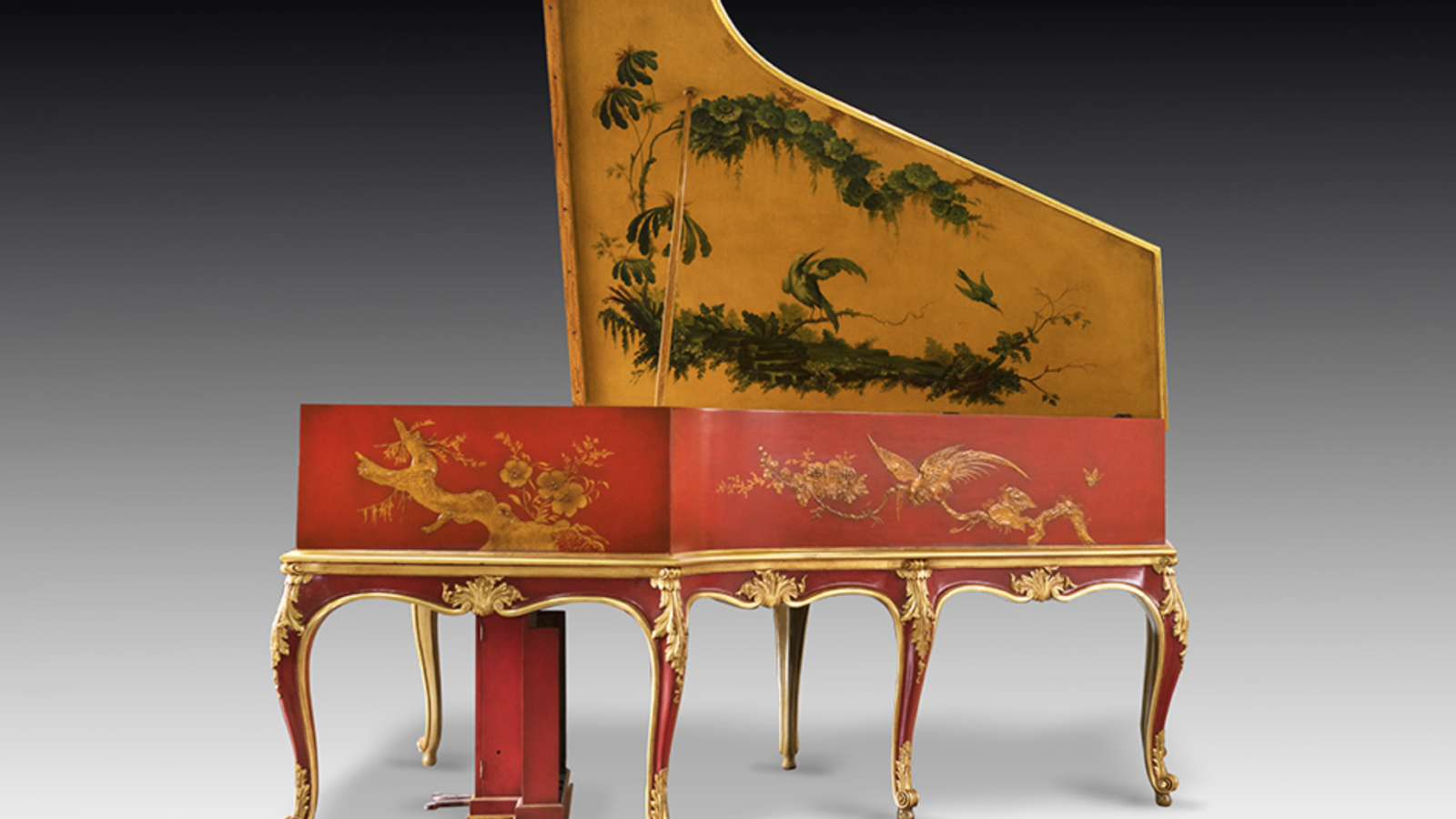
There are instruments that play music, and then there are instruments that tell a story. A hand-painted Pleyel grand piano belongs firmly in the latter category—a breathtaking fusion of 19th-century French craftsmanship and contemporary artistic expression. For collectors, interior designers, and discerning musicians alike, these one-of-a-kind masterpieces represent the pinnacle of luxury musical instruments.
Pleyel Piano History: Chopin’s Favorite Brand and French Legacy
Before diving into the mesmerizing world of hand-painted pianos, it is essential to understand the storied legacy behind the Pleyel name. Founded in 1807 by Ignaz Pleyel in Paris, Pleyel quickly established itself as one of the most prestigious piano manufacturers in Europe. The brand became synonymous with innovation, quality, and an unmistakably warm, rich tonal character that captivated composers and performers across generations.
Frédéric Chopin, arguably the most celebrated composer for the piano, famously preferred Pleyel instruments. He described their sound as possessing a “singing” quality that no other manufacturer could replicate. This endorsement from one of history’s greatest musical minds cemented Pleyel’s reputation as the piano of choice for romantic repertoire and sophisticated salons.
Throughout the 19th and early 20th centuries, Pleyel pianos graced the stages of Europe’s finest concert halls and the drawing rooms of aristocratic families. The company’s commitment to excellence in both acoustic engineering and aesthetic design set a standard that few competitors could match. Today, owning a Pleyel grand piano—especially a custom hand-painted model—connects you to this extraordinary lineage of musical heritage.
What Makes a Hand-Painted Pleyel Grand Piano Unique?
In an era of mass production and digital uniformity, a hand-painted Pleyel grand piano stands as a defiant celebration of individuality. Each instrument is a collaborative masterpiece between master piano craftsmen and skilled visual artists, resulting in a functional work of art that transforms any space it occupies.
The Canvas of Sound: How Art Meets Acoustics
A grand piano’s lid and case provide an expansive, curved surface that serves as an ideal canvas for artistic expression. Unlike standard factory finishes—whether polished ebony, walnut, or mahogany—a hand-painted Pleyel becomes a narrative vessel. Artists may draw inspiration from nature, mythology, abstract expressionism, or bespoke commissions that reflect the owner’s personal taste.
The painting process itself is extraordinarily meticulous. Specialized artisans use automotive-grade paints and techniques adapted for wooden surfaces that must withstand temperature fluctuations, humidity changes, and the physical demands of a resonating instrument. Each layer is carefully applied, cured, and sealed to ensure the artwork remains vibrant while never compromising the piano’s acoustic properties.
Acoustic Integrity: Does Painting Affect the Sound?
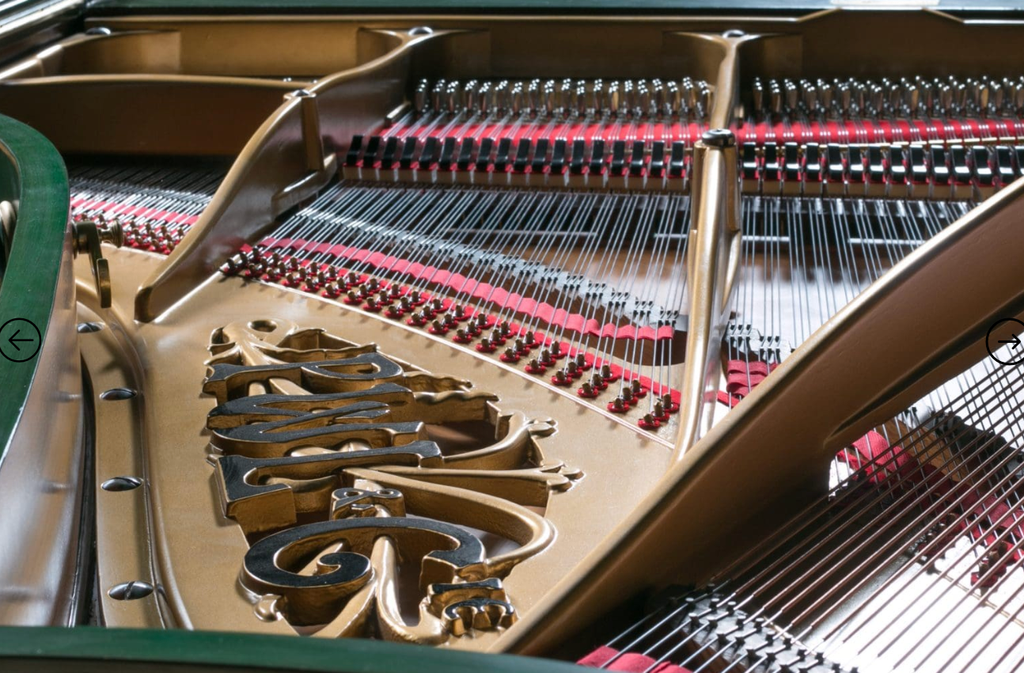
One might wonder whether elaborate exterior decoration affects the instrument’s sound. The answer lies in Pleyel’s time-honored construction methods. The soundboard, strings, action mechanism, and rim construction remain untouched by the artistic process. The painting is applied exclusively to the case, lid, and sometimes the music desk—components that do not directly influence tonal production.
This separation of art and acoustics ensures that a hand-painted Pleyel grand piano delivers the same responsive touch and warm, singing tone that made the brand legendary. You are not merely acquiring a decorative object; you are investing in a world-class musical instrument that happens to wear a museum-quality exterior.
Why Collectors and Interior Designers Choose Custom Painted Pleyels
The market for luxury grand pianos has evolved significantly over the past two decades. Today’s buyers view these instruments as dual-purpose investments: functional musical tools and statement furniture pieces that anchor interior spaces.
Statement Piece for Luxury Interiors
Interior designers increasingly specify statement pianos for high-end residential projects, boutique hotels, corporate headquarters, and luxury yacht interiors. A custom painted piano offers something that no other furnishing can—interactive art that fills a room with both visual beauty and live music. The hand-painted Pleyel, with its French pedigree and artistic customization, commands attention in ways that standard black pianos simply cannot.
Exclusivity, Rarity & Investment Value
Because each hand-painted Pleyel is essentially a bespoke commission, no two instruments are identical. This exclusivity appeals to collectors who value rarity in their acquisitions. While factory-produced pianos depreciate the moment they leave the showroom, limited-edition and artist-customized instruments often retain or appreciate in value—particularly when associated with renowned painters or created in collaboration with recognized ateliers.
The Perfect Marriage of Form and Function
For the accomplished pianist who also appreciates visual arts, a hand-painted Pleyel grand piano eliminates the need to choose between aesthetic pleasure and musical performance. These instruments satisfy both passions simultaneously, making them ideal for individuals who view their homes as curated expressions of their multifaceted identities.
Popular Hand-Painting Styles and Art Themes for Pleyel Pianos
The versatility of hand-painting allows for virtually limitless creative directions. Some of the most sought-after styles include:
Floral and Botanical Motifs: Inspired by Art Nouveau and traditional French decorative arts, these designs feature cascading roses, lilies, peonies, and exotic foliage that seem to grow organically across the piano’s surfaces.
Oriental and Chinoiserie Influences: Drawing from 18th-century European fascination with Asian aesthetics, these pieces incorporate delicate landscapes, pagodas, birds, and botanicals in a style that complements both classical and eclectic interiors.
Abstract Expressionism: For contemporary spaces, bold brushstrokes, geometric patterns, and vibrant color fields transform the piano into a modern art installation.
Gilded and Ornamental: Gold leaf accents, hand-tooled details, and baroque-inspired embellishments create instruments of almost regal opulence.
Narrative and Figurative: Some commissions tell specific stories through painted scenes, whether mythological episodes, historical tableaux, or personal symbolic imagery.
Caring for Your Hand-Painted Pleyel Grand Piano
Owning such a unique instrument requires specific care protocols to preserve both its appearance and performance:
Climate Control: Like all fine pianos, hand-painted Pleyels require stable humidity levels between 40% and 60%. Extreme fluctuations can damage both the wooden case and the painted surface.
Cleaning: Never use standard furniture polish or abrasive cleaners on the painted finish. A soft, dry microfiber cloth is usually sufficient for dusting. For deeper cleaning, consult the artist or a specialist familiar with painted instrument finishes.
Lid Positioning: When displaying the piano with the lid open, be mindful of direct sunlight, which can fade painted details over time. UV-protective window treatments are recommended for rooms with significant sun exposure.
Regular Tuning and Maintenance: Schedule professional tuning at least twice yearly, and have a qualified piano technician service the action and regulate the instrument annually to maintain optimal playability.
Pleyel Piano Price and Investment Outlook
From a financial standpoint, artistic pianos occupy a fascinating niche in the collectibles market. While standard production pianos typically depreciate, limited-edition and custom hand-painted instruments from prestigious manufacturers like Pleyel often command premium prices at auction and among private collectors.
Several factors influence the Pleyel piano price and investment potential: the reputation of the artist who executed the painting, the condition of both the instrument and the artwork, the provenance and documentation, and the overall rarity of the piece. Pianos painted by recognized artists or created as part of special commemorative series tend to appreciate most consistently. Rare models—such as the 1893 Berainesque hand-painted Pleyel—have been listed for upwards of $200,000 USD, while antique Chinoiserie Pleyels regularly appear at high-end auctions and specialty dealers.
Where to Buy a Hand-Painted Pleyel Grand Piano
Acquiring one of these extraordinary instruments typically requires working with specialized dealers, auction houses, or directly with the manufacturer. Because each piece is essentially a custom creation, prospective buyers should expect longer lead times compared to purchasing a standard model. The process often involves consultations with both piano specialists and artists to ensure the final result aligns with the buyer’s vision.
Top sources for antique Pleyel pianos for sale and custom commissions include:
- Specialty antique piano dealers (e.g., Antique Piano Shop, Besbrode Pianos)
- Luxury marketplaces (e.g., 1stDibs, PianoMart)
- Prestige auction houses (e.g., Dreweatts, Christie’s, Sotheby’s)
For those seeking a truly unique statement piece that honors centuries of French musical tradition while pushing the boundaries of decorative art, the hand-painted Pleyel grand piano represents an unmatched opportunity.
Final Thoughts: Why a Hand-Painted Pleyel Is Worth the Investment
A hand-painted Pleyel grand piano transcends the conventional definition of a musical instrument. It is a conversation piece, a functional sculpture, a heirloom-in-waiting, and a testament to human creativity in both auditory and visual forms. Whether you are a concert pianist seeking an instrument worthy of your artistry, a collector searching for a singular acquisition, or a design enthusiast aiming to elevate an interior space, these remarkable pianos offer something that mass-produced instruments never can: the magic of true individuality.
In a world increasingly dominated by the identical and the disposable, the hand-painted Pleyel reminds us that the finest things in life are still crafted by human hands, guided by human vision, and destined to inspire human emotion for generations to come.