listen to the article
Imagine standing on the deck of a small ship at midnight, the sky blazing with the aurora borealis while a naturalist beside you whispers facts about geomagnetic storms. There is no casino, no Broadway-style show, no midnight buffet. Instead, there is a humpback whale breaching fifty meters off the bow, and every passenger on board has rushed to the railings to see it. This is expedition cruising—a style of travel that has quietly become one of the fastest-growing segments of the cruise industry, and one of the most transformative ways to see the world.
What Sets It Apart
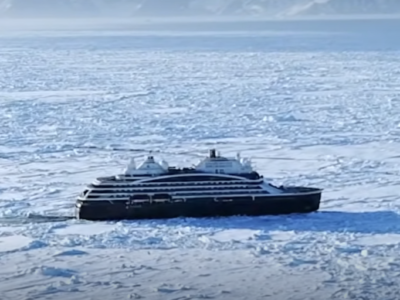
Traditional cruising revolves around the ship. Expedition cruising flips that equation: the vessel is merely the means of reaching places that would otherwise be inaccessible, and the real experience begins once you go ashore. Expedition ships are typically small—often carrying fewer than 200 passengers, sometimes as few as a dozen—and purpose-built or retrofitted for challenging conditions, with reinforced hulls, shallow drafts, and fleets of Zodiac inflatable boats that allow landings on beaches where no dock exists.
Where a conventional cruise offers scheduled entertainment, an expedition cruise offers immersion. Days are structured around weather, wildlife sightings, and ice conditions rather than fixed showtimes. A planned landing might be scrapped because a pod of orcas appears near the ship, and no one complains—flexibility is part of the product.
The Places You Can Go
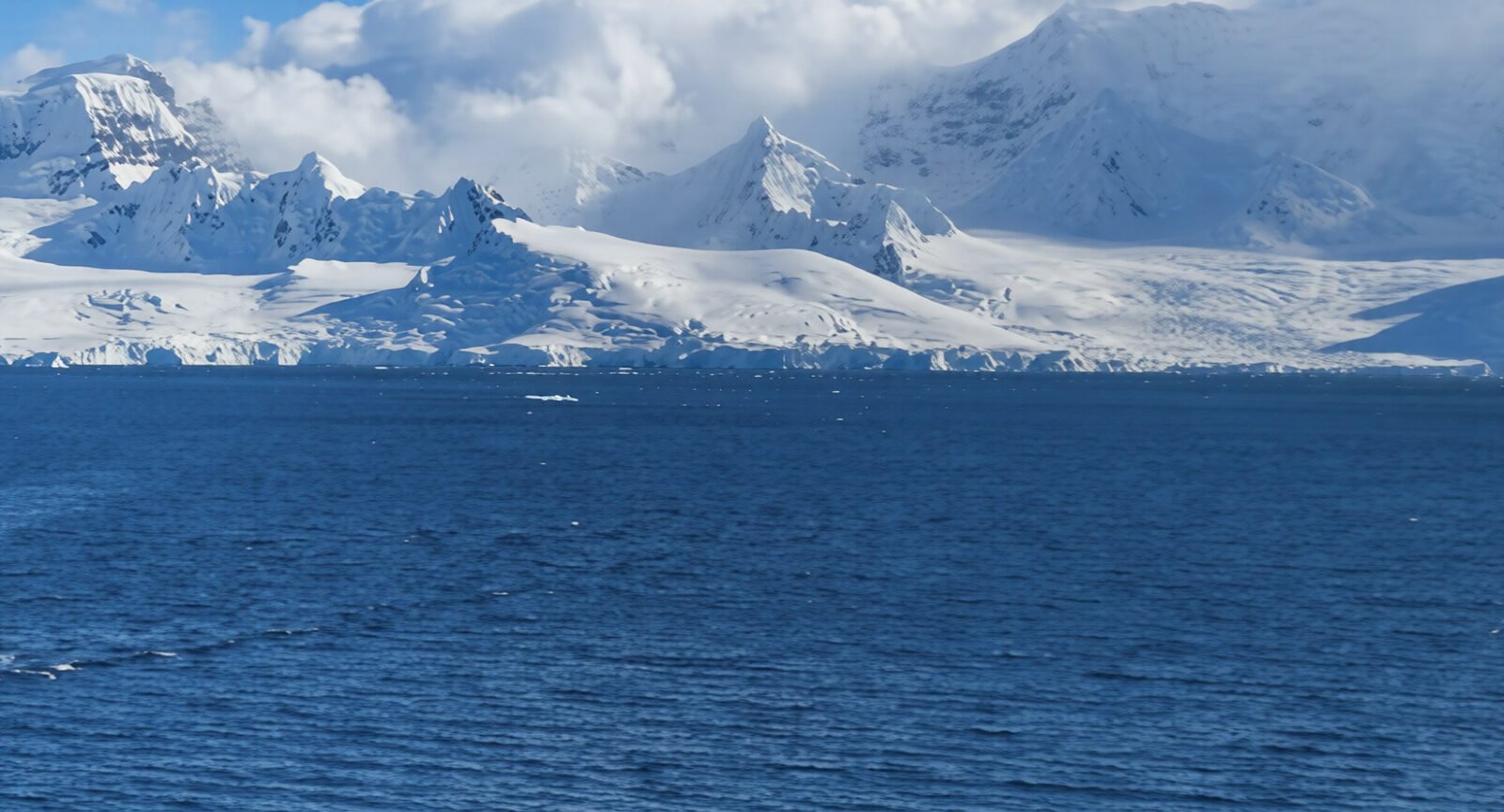
The destinations define the genre. The most iconic is Antarctica, reached by crossing the Drake Passage from Ushuaia, Argentina, where travelers step onto a continent virtually untouched by humanity, surrounded by penguin colonies and icebergs the size of city blocks. The Arctic offers its own wonders: polar bears prowling the pack ice of Svalbard, walrus haul-outs in the Russian Far East, and the remote fjords of Greenland and the Canadian Arctic Archipelago, where the Northwest Passage has drawn explorers to their deaths for four centuries.
But expedition cruising extends well beyond the poles. The Galápagos Islands, where Charles Darwin developed his theory of evolution, remain a cornerstone destination, with vessels limited by national park regulations to small passenger counts. Other hotspots include the Amazon River, the Kimberley coast of Australia with its dramatic horizontal waterfalls, the remote islands of the South Pacific, and even cultural expedition routes along the Mekong or through the Norwegian fjords.
The Expedition Team
What truly distinguishes these voyages is the people. A typical expedition carries a team of naturalists, marine biologists, glaciologists, historians, and photographers—often one expert for every ten or twelve passengers. These aren’t guides reciting scripts; they are working scientists and polar veterans who deliver evening lectures on everything from the mating habits of elephant seals to the doomed heroism of Shackleton’s Endurance expedition.
On land, the team transforms the experience. Zodiac cruises bring passengers within meters of curious penguins or lounging seals. Guided hikes cross terrain that rewards the attentive—fossils, nesting seabirds, ancient Inuit archaeological sites. Many operators offer sea kayaking, polar plunges, or even overnight camping on the Antarctic ice sheet for the truly adventurous.
Expedition cruising attracts a particular breed of traveler: curious and more interested in a leopard seal than a lounge chair. The demographic has broadened considerably in recent years. Where it was once the preserve of retirees with money and time, newer ships with more comfortable accommodations—some even with balconies, spas, and fine dining—have drawn younger travelers and multigenerational families.
That said, it is not for everyone. Shore landings can involve stepping from a rocking Zodiac into surf, hiking over uneven terrain, and enduring cold, wind, and rain. Most operators grade their voyages by activity level, and passengers should honestly assess their mobility. And while newer expedition ships are luxurious, the experience remains fundamentally about the destination—if your idea of a perfect vacation involves lounging by a pool with a cocktail, a traditional cruise will serve you better.
Practical Considerations
Expedition cruises typically start around $8,000 to $12,000 per person for a ten-day voyage and can exceed $30,000 for suite-class accommodations in the most remote regions. The price reflects the economics of small ships, specialized crews, and genuine remoteness—there are no economies of scale at the bottom of the world. Budget-conscious travelers can find deals on shoulder-season departures or last-minute berths, particularly for Antarctica.
Timing matters enormously. The Antarctic season runs from November to March, when the continent’s summer allows ship access; the Arctic season mirrors it, roughly June through September. Wildlife highlights cluster within these windows—penguin chicks in December, polar bears on the autumn ice edge, whales in February.
Preparation is also part of the fun. Most operators provide detailed packing lists, and the ritual of assembling expedition gear—waterproof boots, layers upon layers, a good camera with a long lens—builds anticipation for months before departure.
The destination is wonder itself.