Picture this: it’s 1980, disco just died, and Rolls-Royce rolls out a new flagship that looks like a boardroom on wheels. That’s the Silver Spirit. It replaced the Silver Shadow, which had been around since the ’60s and was starting to feel like your granddad’s favorite armchair — comfy, but a bit past its prime. The Spirit kept everything people loved about a Rolls (that regal grille, that “floating on a cloud” ride) but gave it a smoother, more modern shape. Think evolution, not revolution.
Where It Came From
Rolls-Royce actually worked on this thing for years under the codename “Project SZ,” which sounds more like a spy mission than a car project, honestly. The old Silver Shadow had been groundbreaking in its day, but by the late ’70s it needed a refresh — safety rules were tightening, fuel was getting pricier thanks to the oil crises, and buyers wanted something that felt current without losing that unmistakable Rolls-Royce presence.
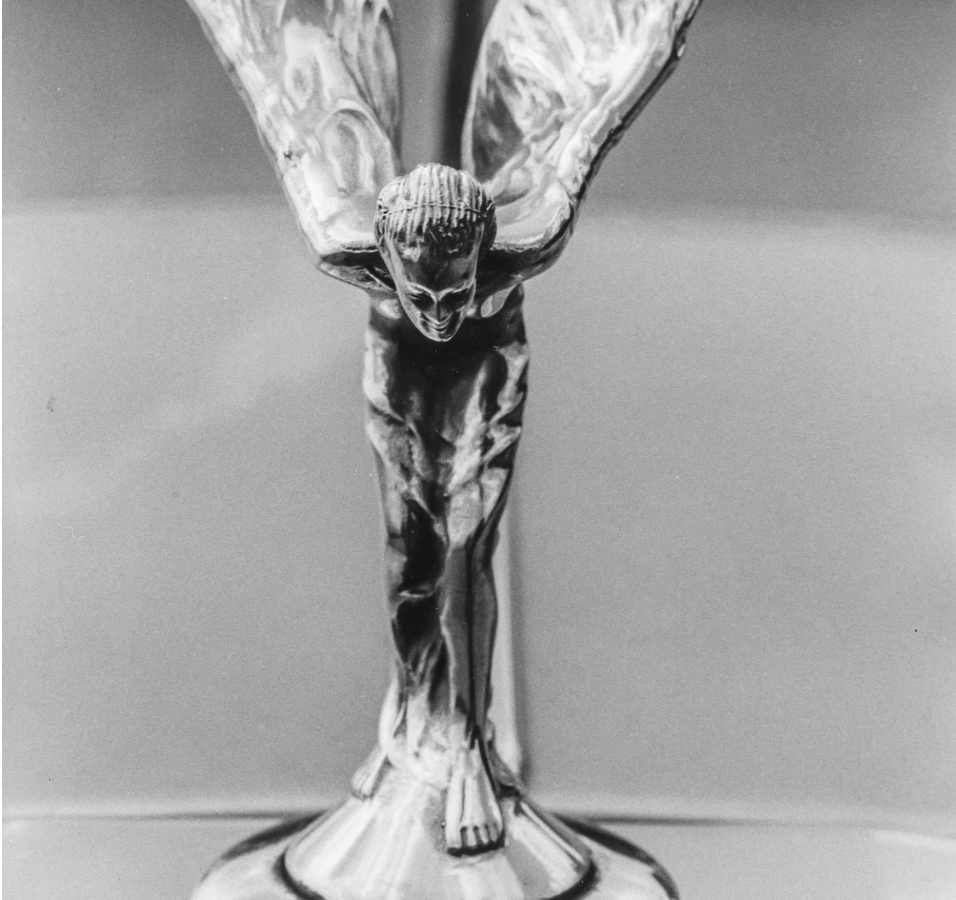
Enter designer Fritz Feller, who had a tricky job: make it modern, but don’t you dare make it unrecognizable. When the Silver Spirit debuted in October 1980, it still had the upright grille, the little winged lady on the hood (the Spirit of Ecstasy), and that long, imposing bonnet. But the edges were softer, the whole thing looked a bit sleeker, and it cut through the air better too.
Rolls-Royce didn’t stop there — they also rolled out the Silver Spur, basically the same car but stretched out for people who’d rather be chauffeured than drive themselves, plus the Bentley Mulsanne, its slightly sportier cousin wearing a different badge.
Looks That Don’t Shout
The Silver Spirit wasn’t trying to turn heads with flashy design — it let quality do the talking. You’ve still got that unmistakable chrome grille up front, hand-polished before it ever left the factory, with the Spirit of Ecstasy mascot on top (which could actually retract into the body as an anti-theft trick, which is a fun little detail most people never notice).
At over 5.3 meters long, this thing took up space and looked like it meant business. Chrome trim wrapped around the windows and wheel arches, and buyers picked from a lineup of tasteful, muted colors — sometimes two-tone, if you wanted to feel extra fancy.
But honestly, the interior is where it really got you. Every single Silver Spirit rolled out of the Crewe factory with leather seats made from carefully chosen hides, walnut trim so nice it looked like furniture, deep wool carpet you could lose your shoes in, and fold-out picnic tables in the back seats. It didn’t feel like a car — it felt like someone’s private study, just with wheels attached.
What’s Under the Hood
The Silver Spirit ran on a 6.75-litre V8 that Rolls-Royce had been using since the ’60s and kept refining for decades afterward. Classic Rolls-Royce move: they never actually told anyone how much horsepower it made. Officially, the output was just “adequate.” Unofficially, people estimate somewhere around 220 horsepower early on, with more added later once fuel injection showed up in 1989.
Early cars used a three-speed automatic gearbox, later swapped for a smoother four-speed unit borrowed from General Motors. The suspension leaned on hydraulic tech licensed from Citroën, which is exactly why these cars are famous for that magic-carpet ride — bumps just seemed to disappear.
Basically everything was power-assisted, which made sense given the car weighed north of two tons. And Rolls-Royce engineers were borderline obsessive about quiet — thick sound insulation, double glazing on later models, and painstaking attention to how the panels fit together, all in service of that famous silence inside the cabin.
How It Changed Over Time
Rather than reinventing the car every few years, Rolls-Royce just kept quietly polishing it. The Silver Spirit II showed up in 1989 with fuel injection, anti-lock brakes, and upgraded electronics. The Silver Spirit III arrived in 1993 with more mechanical tweaks, and the Silver Spirit IV landed in 1995 with a driver’s airbag and traction control — small steps, but they kept the car feeling current.
There were also special editions along the way, like the Silver Spirit Centenary, celebrating a hundred years since the company’s founders were born. Long-wheelbase Silver Spurs were popular with politicians and executives who preferred to sit in the back, and some versions were even armored for diplomats who needed a little extra peace of mind.
How People Felt About It
Critics and buyers both liked what Rolls-Royce did here — modernizing the formula without messing with what made it special. It ended up being the best-selling Rolls-Royce ever made up to that point.
Royalty, CEOs, celebrities — they all wanted one. It became the go-to symbol for “I’ve made it,” and its constant appearances in movies and TV only cemented that reputation.
Production wrapped up in 1998, right as Rolls-Royce and Bentley split off to new owners — BMW took Rolls-Royce, Volkswagen took Bentley. In a lot of ways, the Silver Spirit was the last of the “old guard” Rolls-Royces, built the traditional way before things went more corporate and German-engineered with the Silver Seraph and later the Phantom.
Is It Worth Buying Now?
Here’s the fun part: because so many were made compared to older Rolls-Royces, prices for a decent used Silver Spirit are surprisingly reasonable — especially next to what these cars cost new. That said, keeping one running well isn’t cheap, so budget accordingly. If you find a pristine, low-mileage example with solid paperwork, though, expect to pay a real premium — collectors know exactly what they’re looking at.
The Silver Spirit sits right at the crossroads of old-school Rolls-Royce and everything that came after. It’s got the hand-built craftsmanship and mechanical character of the classic era, wrapped in a shape that still looks sharp today. Henry Royce reportedly wanted to build “the best car in the world,” and decades later, the Silver Spirit still makes a pretty strong case for that title.