The Hamptons, a collection of picturesque towns and hamlets on the South Fork of Long Island’s East End, have long been a favored summer destination for those seeking a coastal escape from the hustle of New York City. While the region is known for its affluent residents and celebrity sightings, it is also an approachable destination for travelers interested in exploring beautiful beaches, vibrant local culture, and a refined dining scene. This guide provides a comprehensive overview of what to expect, where to go, and how to make the most of a visit to this iconic corner of New York.
A Brief Overview
The Hamptons is not a single town but a region comprised of several distinct villages and hamlets, each with its own character and appeal. The area stretches approximately 40 miles along the Atlantic coast, from Westhampton in the west to Montauk at the eastern tip. The region’s name derives from the town of Southampton, one of the original English settlements established in 1640. Over the centuries, the Hamptons evolved from a farming and whaling community into a summer colony for wealthy New Yorkers, a status that was cemented in the late 19th century when the railroad extended service to the area. Today, the Hamptons continues to attract visitors from around the world, drawn by its natural beauty, cultural offerings, and the particular brand of coastal elegance that has become synonymous with the name.
Getting There and Getting Around
The most common way to reach the Hamptons from New York City is by car, but the journey is notorious for heavy traffic, especially on Friday afternoons during the summer months. The drive typically takes two to three hours without traffic but can stretch to four hours or more on peak travel days. Alternative options include the Hampton Jitney bus service, which offers convenient drop-offs in many towns and provides a comfortable, stress-free alternative to driving. The Long Island Rail Road also extends to Montauk, with trains running regularly throughout the summer season. For those seeking a more luxurious arrival, Blade and other helicopter services offer transfers from Manhattan to East Hampton Airport in approximately 35 minutes, though prices reflect the premium nature of the service. Ferry services from Connecticut and New Jersey also provide access to the North Fork and Shelter Island, with connections to the South Fork via the Shelter Island Ferry.
Once you have arrived, having a car is generally recommended for exploring the different villages and hamlets that are spread out across the area. While each town has a walkable Main Street, distances between them make a car the most practical option for seeing everything. A new app called Hampton Hopper offers an alternative for those who prefer not to drive, providing on-demand shuttle services within the region. Bicycles are also a popular option for shorter distances, particularly in the flat terrain around Sag Harbor and Bridgehampton, and many hotels offer bike rentals for guests. However, visitors should be aware that parking can be challenging in popular areas during peak season, with many beaches requiring permits or daily fees.
The Seasons
The Hamptons experiences four distinct seasons, each offering a different experience. Summer, from Memorial Day to Labor Day, is the peak season when the region is at its most vibrant and crowded. The weather is warm and sunny, perfect for beach days, but this is also when prices are highest and reservations are most difficult to secure. Spring and fall offer milder weather and thinner crowds, making them ideal for visitors seeking a more relaxed experience. The fall foliage is particularly beautiful, and many farm stands are still open, offering fresh local produce. Winter is the quietest season, with many restaurants and hotels closed, but it offers a stark, beautiful landscape and the chance to experience the Hamptons without the crowds. The beaches are empty and windswept, and the pace of life slows considerably.
A Town-by-Town Guide
Westhampton and Hampton Bays
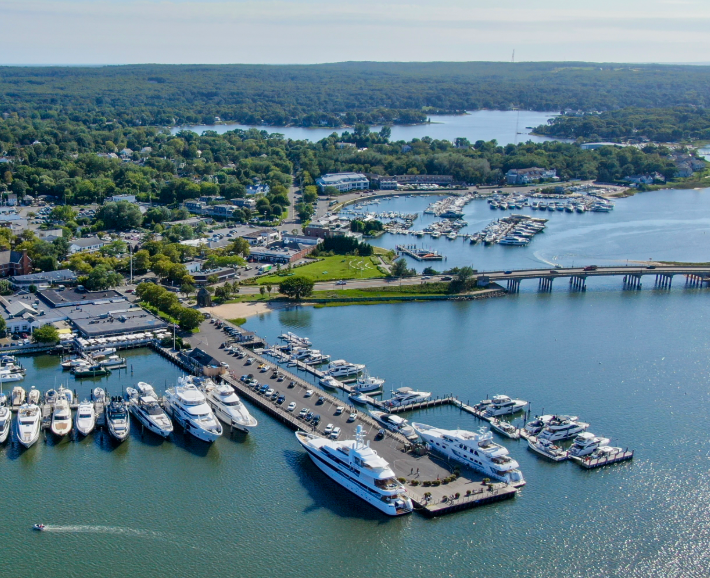
For a more low-key introduction to the region, Westhampton is the westernmost town and has seen a recent revival with new boutique hotels like Seven Beach Lane and Three Ducks. Here, you can take a yoga class at Doza or enjoy a sunset stroll on Roger’s Beach, a quieter alternative to the more famous beaches further east. The town has a relaxed, family-friendly atmosphere and is popular with local residents who prefer to avoid the crowds of the more eastern villages. Just further east, Hampton Bays offers a more secluded feel and is home to the renovated Canoe Place Inn, a historic hotel that has been restored to its former glory. The area around Hampton Bays is also known for its marina, with opportunities for boating and fishing. The Shinnecock Canal, which connects Shinnecock Bay to Peconic Bay, is a local landmark and a popular spot for viewing boats as they pass through the locks.
Southampton and Water Mill
Southampton is often considered the quintessential Hamptons town. It offers the classic Hamptons vibe with high-end boutiques, well-known restaurants like Sant Ambroeus, and a beautiful Main Street lined with historic buildings. The town is home to famous beaches like Coopers Beach, where non-residents can pay to park and enjoy some of the finest sand on the East Coast. The beach is wide and pristine, with gentle waves that make it suitable for swimming and family outings. The town also boasts a number of historic sites, including the Southampton Historical Museum, which preserves the town’s heritage through a collection of historic buildings and artifacts. Nearby, Water Mill is a scenic hamlet home to the Parrish Art Museum, a must-visit for art lovers, and seasonal farm stands like Halsey Farm. The museum, designed by architect Herzog & de Meuron, features a collection of works by artists who have lived or worked on the East End, offering a unique insight into the region’s creative community.
Bridgehampton and Sag Harbor
Bridgehampton is known for its stylish Main Street and for being the home of the annual Hampton Classic horse show, one of the premier equestrian events in the United States. The town offers excellent dining spots like the historic Candy Kitchen, an old-fashioned soda fountain that has been serving the community since 1925. Bridgehampton is also home to the Bridgehampton Tennis & Surf Club, a private club that offers facilities for both tennis and swimming. Nearby, Sag Harbor is a former whaling village with a charming, historic feel that sets it apart from the more polished Hamptons towns. Its waterfront is a delightful place for a stroll, and the town is home to the historic American Hotel, a beautifully restored 19th-century inn that offers fine dining and comfortable accommodations. Sag Harbor also has a vibrant arts scene, with numerous galleries and the Bay Street Theater, which hosts a variety of performances throughout the year. The town’s maritime heritage is preserved at the Sag Harbor Whaling Museum, which tells the story of the region’s whaling industry.
East Hampton
East Hampton is the epitome of the upscale, elegant Hamptons experience. Its Main Street and Newtown Lane are lined with luxury designer boutiques, from Ralph Lauren to Tory Burch, making it a premier destination for shopping. It also features Main Beach, one of the area’s most famous stretches of sand, with pristine white sand and clear water that have earned it a reputation as one of the best beaches in the country. The beach is well-maintained and offers lifeguards during the summer season, making it a safe choice for families. For a cultural fix, the Guild Hall is a key exhibition and performing arts space, hosting everything from art shows to theater performances and concerts. The town also features the Mulford Farm Museum, a living history farm that offers a glimpse into the region’s agricultural past. East Hampton is also notable for its beautiful homes and estates, many of which are hidden behind hedgerows that line the roads.
Montauk
At the eastern tip of Long Island lies Montauk, a town with a distinctly different character from the rest of the Hamptons. With its iconic 1796 lighthouse at the entrance to Long Island Sound, Montauk has a saltier, surfer-town feel, though it has become increasingly popular and built up in recent years. Key activities include surfing at Ditch Plains, a famous beach known for its consistent waves and vibrant surf culture. The area around Ditch Plains has become a hub for young, active visitors, with a laid-back atmosphere that contrasts with the more formal tone of the western towns. Visiting the historic Montauk Point Lighthouse, the oldest lighthouse in New York State, is a must for first-time visitors, offering spectacular views of the Atlantic Ocean and Block Island Sound. The lighthouse complex also includes a museum that tells the story of the area’s maritime history. Dining at spots with waterfront views, such as the Crow’s Nest and Mavericks, provides a quintessential Montauk experience. Fishing is also a major draw, with numerous charter boats available for deep-sea excursions. Montauk’s state park, Camp Hero, offers hiking trails and military history, with remnants of a World War II coastal defense installation still visible.
Where to Stay
Accommodation options in the Hamptons range from renting a private home to staying at a charming inn or a luxury hotel. Renting a house is a popular option for families or groups, offering the space and privacy of a home while providing the flexibility to cook meals and host gatherings. However, prices reflect the region’s status, with rentals often costing thousands of dollars per week during peak season. For those seeking a hotel experience, several notable options are available.
Gurney’s Montauk Resort is a year-round resort with a private beach and a renowned spa, making it a classic luxury choice. The resort’s Seawater Spa is a major draw, offering treatments that utilize mineral-rich seawater and seaweed. Shou Sugi Ban House in Water Mill is a wellness resort known for its tranquil, spa-focused environment, influenced by Japanese design principles. The resort offers a range of wellness programs, from yoga and meditation to nutritional counseling and spa treatments. The American Hotel in Sag Harbor is a lovely, classic, and historic option in the center of the village, offering elegant rooms and a fine dining restaurant that is a destination in itself. The Roundtree in Amagansett offers a luxury boutique stay, with a focus on personalized service and attention to detail. Three Ducks in Westhampton is a new, 12-room motel with an effortless coastal charm, providing a more relaxed and intimate setting for those seeking a less formal experience. Other options include the Montauk Yacht Club, which offers a floating wellness cabana in partnership with Elemis, and the Topping Rose House in Bridgehampton, a beautifully restored historic property with a farm-to-table restaurant.
Where to Dine and Drink
The Hamptons dining scene is world-class, with an emphasis on fresh, local seafood and farm-to-table ingredients. The region’s proximity to the ocean and its agricultural heritage mean that many restaurants source their ingredients locally, creating seasonal menus that reflect the best of what the area has to offer. The Lobster Roll in Amagansett is a classic institution for a casual, authentic lobster roll, with a no-frills atmosphere that has made it a favorite for decades. The restaurant is known for its generous portions of fresh lobster meat served on a toasted bun, a simple preparation that lets the quality of the ingredients shine. Nick & Toni’s in East Hampton has been a staple for decades, serving Mediterranean dishes in a charming farmhouse setting. The restaurant is particularly known for its wood-fired pizzas and its emphasis on locally sourced vegetables and seafood. The Crow’s Nest in Montauk is beloved for its stunning sunset views and a menu that balances casual and elevated cuisine, with dishes that highlight the best of local seafood. Mavericks Montauk is a modern steakhouse with panoramic water views and a vibrant scene, offering prime cuts of beef and fresh seafood. The Montauket is a local favorite for strong drinks and live music with a view of Fort Pond Bay, providing a more casual, laid-back atmosphere. Wölffer Estate Vineyard in Sagaponack is the area’s most famous winery, known for its rosé and beautiful tasting room overlooking the vineyards. The winery offers tours and tastings throughout the day, and its Summer in a Bottle rosé has become an iconic symbol of Hamptons summer living.
For breakfast or lunch, the local farm stands and markets offer excellent options. Babettes in East Hampton is a popular spot for fresh juices and light meals, while the Southampton Farmers Market provides a weekly opportunity to sample local produce, cheese, and baked goods. For a more substantial meal, the historic Candy Kitchen in Bridgehampton serves classic American fare in a nostalgic setting, complete with a working soda fountain.
Things to Do
Beyond dining, the Hamptons offer numerous activities to occupy visitors. The beaches are the main attraction, and the region boasts some of the finest stretches of sand on the East Coast. Main Beach in East Hampton is a top choice, with its pristine white sand and clear water. The beach is well-maintained and offers amenities like restrooms and lifeguards during the summer months, making it a safe and comfortable option for families. Coopers Beach in Southampton is another popular choice, offering similar amenities and equally beautiful sand. For surfers, Ditch Plains in Montauk is the premier destination, with consistent waves that attract surfers from around the world. The beach also has a vibrant surf culture, with surf schools and shops located nearby.
For those interested in arts and culture, the Parrish Art Museum in Water Mill and Guild Hall in East Hampton are cultural centers that offer a rich program of exhibitions and events. The Parrish Museum features a permanent collection of works by artists associated with the East End, including Jackson Pollock and Willem de Kooning. The museum also hosts rotating exhibitions and educational programs for visitors of all ages. Guild Hall presents a diverse program of theater, music, and visual arts, with performances throughout the year. The summer social calendar is also packed with events, including the Watermill Center’s Summer Festival and the Guild Hall gala, which attract celebrities and art enthusiasts from around the world.
For those interested in wellness, the spas are a major draw. Gurney’s Montauk Resort hosts a La Prairie treatment center, offering a range of luxurious spa treatments. The Montauk Yacht Club has a floating wellness cabana in partnership with Elemis, providing treatments on the water. Shou Sugi Ban House in Water Mill offers comprehensive wellness programs that include yoga, meditation, and nutritional counseling, making it a destination for health-conscious travelers. Many hotels also offer yoga classes and fitness facilities, ensuring that visitors can maintain their wellness routines while on vacation.
Outdoor activities are abundant, with opportunities for hiking, biking, and boating. The region’s parks and nature preserves offer miles of trails for exploring the coastal landscape. The Hither Hills State Park in Montauk provides hiking trails and picnic areas, while the Mashomack Preserve on Shelter Island offers more extensive hiking and bird-watching opportunities. Boating and fishing are also popular, with charter boats available from marinas throughout the area. The Peconic Bay provides calm waters for sailing and kayaking, while the Atlantic Ocean offers more challenging conditions for experienced boaters.
Practical Considerations
The Hamptons is an expensive destination, and visitors should plan their budget accordingly. In high season, a night at a boutique hotel can cost over $1,500, and a dinner for two at a good restaurant can easily exceed $100. For budget-conscious travelers, it is wise to consider visiting during the shoulder seasons of spring or fall, when prices drop and crowds thin. Bringing a picnic from a local farm stand can also be a delightful and cost-effective alternative to dining out for every meal. The region’s farm stands, such as Halsey Farm and the Bridgehampton Farmers Market, offer fresh, locally sourced produce and prepared foods that can provide a delicious and affordable dining option.
Booking accommodations and dining reservations well in advance is essential, particularly during the summer months. Popular hotels and restaurants fill up quickly, and last-minute options are often limited or expensive. Visitors should also be aware that many beaches require permits or charge daily fees for parking, with some beaches limited to residents only. Check ahead to understand the regulations and ensure that you have the necessary permits or funds. Bringing beach gear, such as umbrellas and chairs, can also save money, as rentals can be expensive and limited.
A trip to the Hamptons offers a quintessential coastal American experience, combining beautiful natural surroundings, world-class dining, and a vibrant cultural scene. While the region is often associated with luxury and celebrity, it remains an accessible and rewarding destination for travelers with careful planning. Whether exploring the charming streets of East Hampton, surfing the waves of Montauk, or enjoying the vineyards of Sagaponack, visitors will find a diverse range of experiences that make the Hamptons a timeless summer destination. With its rich history, cultural institutions, and stunning coastline, the Hamptons continues to captivate visitors and residents alike, offering a unique blend of relaxation, recreation, and refinement that is difficult to find elsewhere.